







Search Results for: taste perception
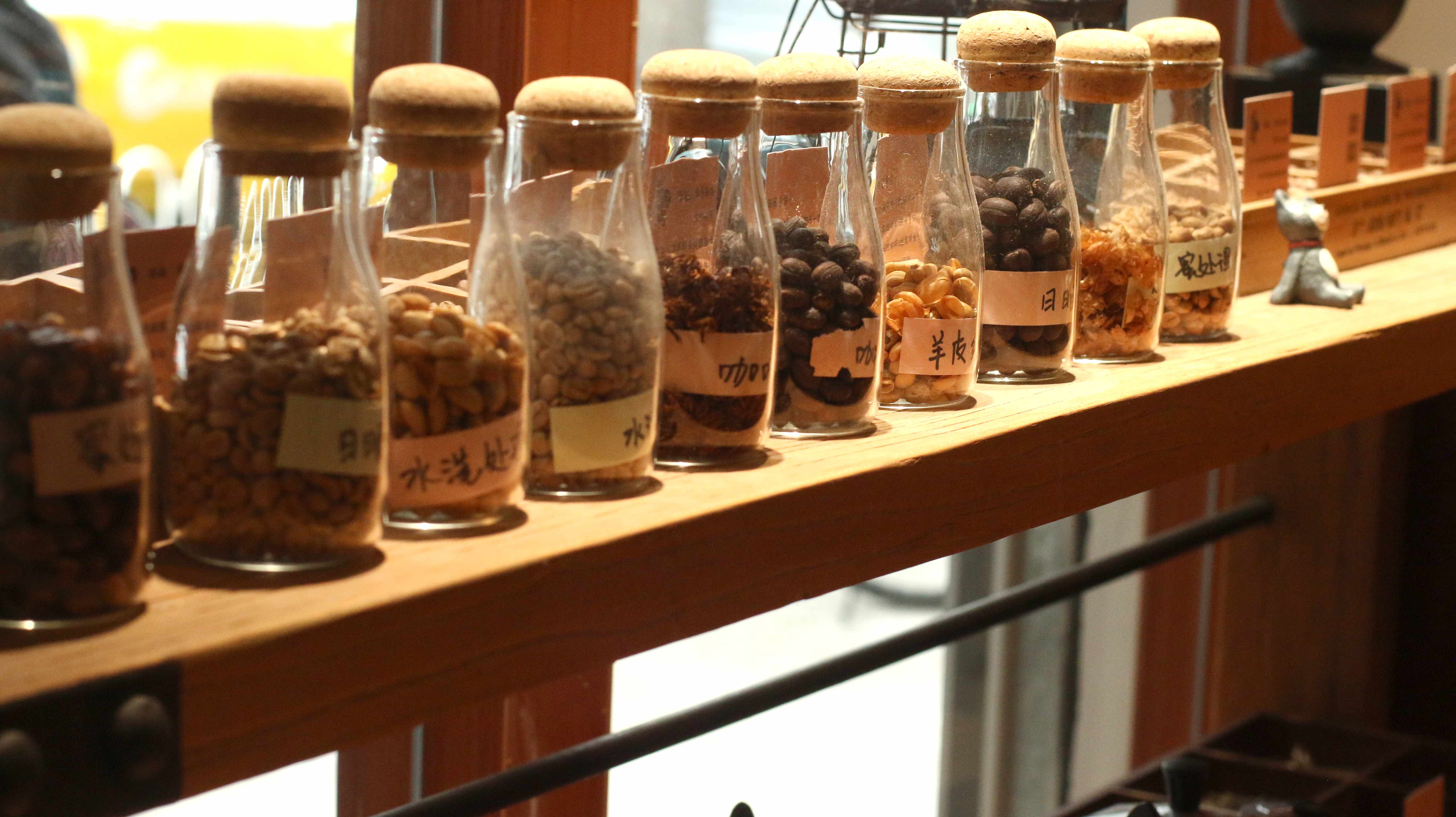
The True Meaning of Coffee Sweetness: From Taste to Smell, Decoding How Extracted Compounds Influence Sweetness Perception
Have you ever walked into a café, ordered a cup of coffee that's "a little sweeter," only to be handed a dark, bitter liquid while the barista insists it has high sweetness? The "sweetness" of coffee actually has two dimensions: objective sweetness intensity and subjective perceived sweetness. Sweetness intensity depends on variety, processing method, and roast profile, while perceived sweetness is closely tied to extraction technique and sensory sensitivity. This article breaks down the sources of coffee sweetness one by one—from taste balance and the sweet aftertaste that follows bitterness, to the "illusion of sweetness" created by retronasal olfaction—and recommends several Front Street Coffee beans with prominent sweetness to help you truly understand what baristas mean by "sweet." [more…]
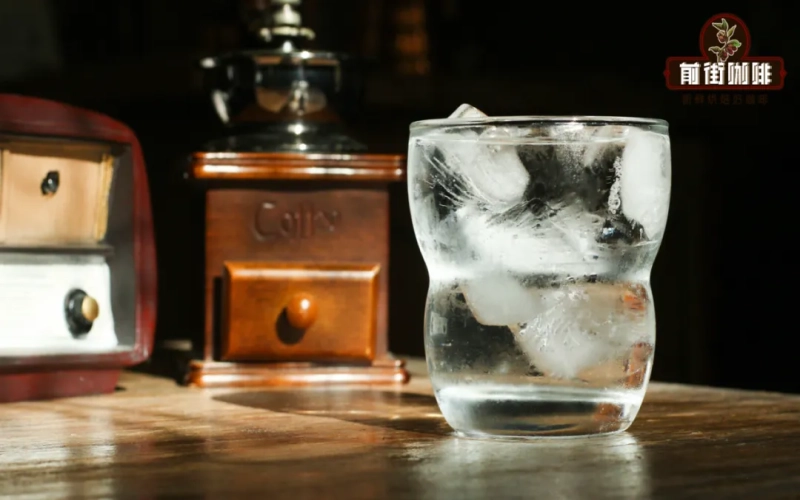
The Mystery of Espresso Paired with Ice Water: A Complete Analysis from Palate Cleansing to Flavor Perception
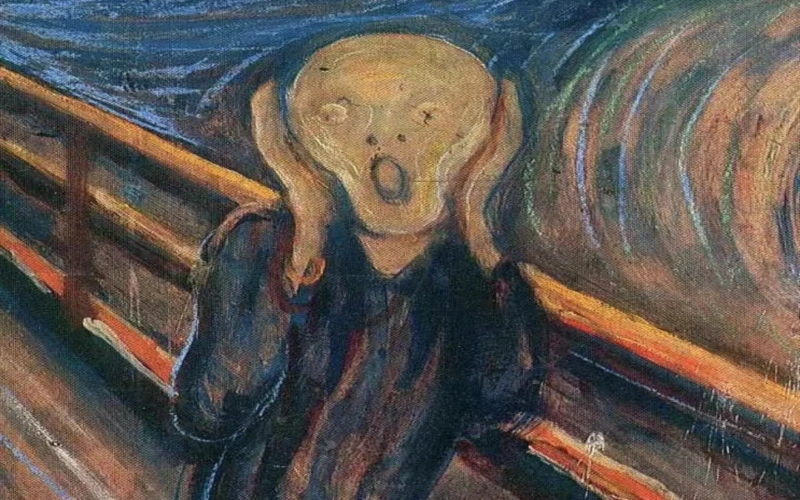
When you order an espresso at a coffee shop, it is often served with a small glass of ice water. This seemingly simple pairing actually embodies the scientific principles of coffee tasting. The ice water does not directly clean the palate; rather, it stimulates saliva production through the cold temperature, and the enzymes in the saliva help clear residual particles from the mouth, allowing us to perceive the coffee's flavors more accurately. This is especially true for the highly concentrated espresso, where lingering volatile compounds in the mouth can interfere with the taste buds and retronasal olfactory judgment. Drinking ice water beforehand can effectively enhance flavor perception. This article will provide an in-depth analysis of the mechanism by which ice water functions in coffee tasting, and how this small gesture can help you experience the aroma and layers of the coffee itself more fully. [Image 1] [more…]
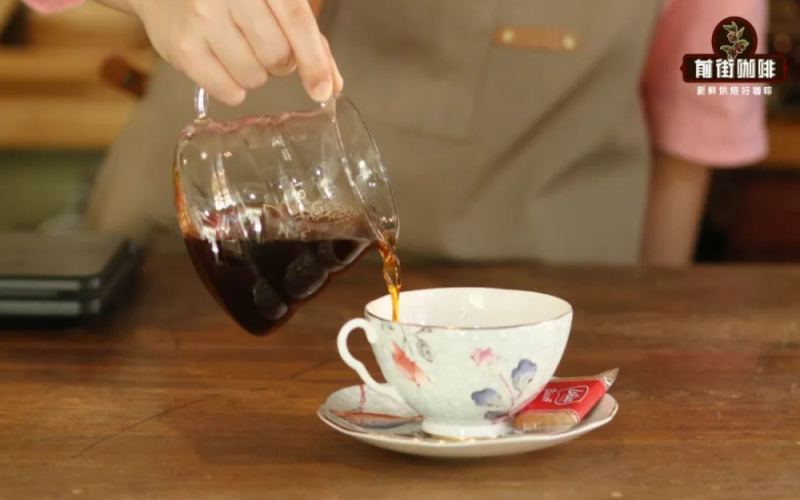
Why Does Pour-Over Coffee Taste Sour After It Cools? A Comprehensive Analysis from Aroma Loss to Taste Perception
Many coffee enthusiasts encounter a phenomenon when tasting pour-over coffee: as the temperature drops, the flavor of the coffee seems to change, sometimes even developing an unpleasant sourness. This is not a problem with brewing technique, but rather a series of physical and chemical changes that coffee undergoes as it goes from hot to cold. Front Street Coffee will take you on an in-depth look at the processes of aroma loss, oil oxidation, pigment polymerization, and condensation after coffee cools, while also explaining from the perspective of sensory science why the perception of sourness, sweetness, and bitterness on the taste buds changes with temperature. Through this article, you will understand the real reasons why coffee becomes sour or bitter after it cools, allowing you to view the relationship between coffee temperature and flavor more rationally and improve your tasting experience. [more…]

A Guide to Improving Coffee Flavor Perception: A Complete Analysis from Using the Flavor Wheel to the Mechanisms of Aroma Discrimination
The world of coffee flavor is richly layered, but many people can only taste sourness and bitterness, struggling to capture those stunningly delicate aromas. To truly appreciate the value of an expensive cup of coffee, you need to systematically train your flavor perception. From the perspective of Front Street, this article breaks down the composition of coffee flavor—how taste and aroma combine—explains in depth the chemical makeup and volatile characteristics of coffee aroma, and introduces the two mechanisms by which the human body perceives aroma: orthonasal and retronasal olfaction. At the same time, the article details how to use the Super Clear Flavor Wheel to make abstract flavors concrete, and how to gradually build a personal aroma memory bank by drinking more, smelling more, and feeling more, ultimately improving your precision in discerning coffee flavors. [more…]
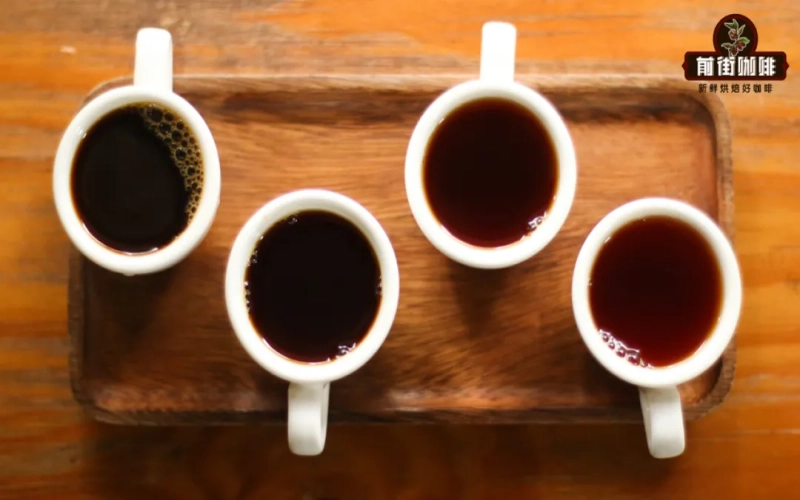
Why Does Hot Coffee Taste Different After It Cools? Analyzing the Differences Between Hot and Cold Coffee from the Perspectives of Taste Perception and Aroma Loss
Many people are used to being told that coffee should be drunk while it is hot, because once it cools, the flavor seems to deteriorate. But what exactly happens to coffee after it cools? How does temperature affect our perception of bitterness, acidity, and sweetness? What roles do aroma loss and the congealing of oils play? Starting from a tasting case of Front Street Hamashu, this article explains the real reasons why the taste of hot coffee changes as it cools, and clarifies that not all coffee tastes bad when it goes cold. If you also want to improve your tasting ability, the article also recommends several Front Street single-origin beans with highly distinctive flavors, helping you experience the full character of coffee at different temperatures. [more…]
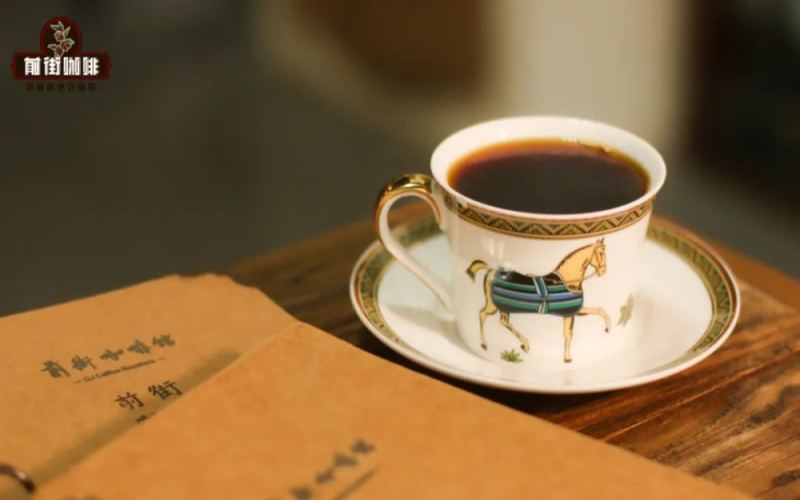
Why does coffee taste more acidic after it cools? Causes of pour-over flavor changes and solutions for coffee that's too sour
Many coffee enthusiasts notice that certain coffees seem to become more sour after they cool down. But this is not a universal trait of all coffee—most coffees simply lose some aroma as they cool, without their flavor framework shifting dramatically, and some even reveal greater sweetness as the temperature drops. So why does the sourness of certain coffees rise noticeably after the temperature falls? Behind this lies both the way human perception changes with temperature and the flavor composition of the coffee itself. From the perspective of Front Street, this article sorts out how temperature affects the perception of sourness, sweetness, and bitterness, explains the principle behind the intensified sourness of light-roasted coffee after cooling, and offers directions for adjustment when coffee is too sour. [more…]
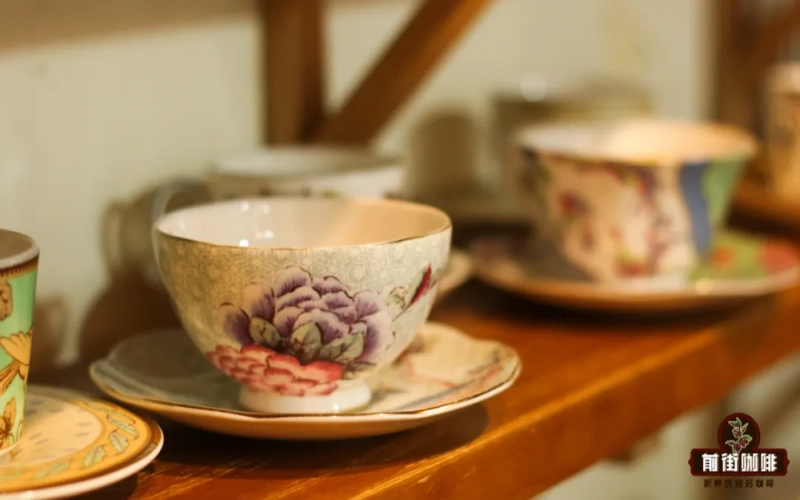
Is There Really Umami in Coffee? Analyzing the Perception Mechanism and Tasting Misconceptions of the Fifth Taste
Sour, sweet, bitter, salty, and umami—among the five basic tastes, umami has always been a controversial topic in coffee. In the specialty coffee wave, "umami" occasionally appears in flavor descriptions, and the word has even been seen on the packaging of Front Street Coffee's Panama Geisha. Can coffee really taste umami? This article starts with the scientific origins of umami, sorts out the relationship between glutamate and taste thresholds, analyzes the essence of umami perception in coffee, and reveals how saltiness "disguises" itself as umami, helping you understand the complex layers of coffee flavor more accurately. [more…]
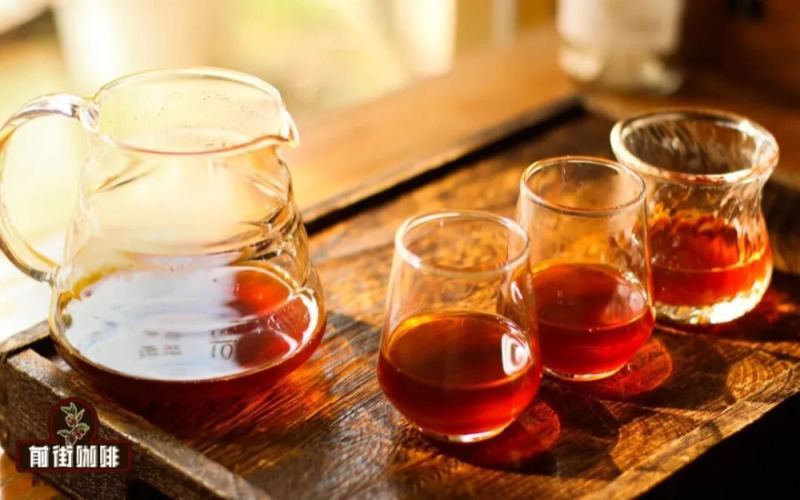
Is a coffee tasting cup worth buying? Does a aroma cup provide any real help in enhancing aroma? Training ideas for sensory perception of pour-over flavor
Coffee drinkers often run into a question: those uniquely shaped tasting cups—do they really help us better perceive flavor, or are they just a waste of money? This time, Front Street will start with the origins and design logic of tasting cups, breaking down clearly the reasons why a cup affects taste and smell. It will also discuss whether aroma cups are actually useful, and how we can train our flavor perception in everyday pour-over brewing. If you've ever stood indecisively in front of a row of cups, or want the pour-over in your hands to taste more layered, this article will offer some practical reference. [more…]
A Guide to Tasting Pour-Over Coffee at Different Temperature Ranges: How High, Medium, and Low Temperatures Affect the Perception of Sourness, Sweetness, and Bitterness
When tasting specialty coffee, temperature is one of the most intuitive clues for interpreting flavor. The three tastes in coffee—acidity, sweetness, and bitterness—show markedly different intensities as temperature changes: high temperatures suppress bitterness and dull sweetness; the mid-temperature range offers the keenest perception of acidity and sweetness, with the richest flavor layers; low temperatures tend to expose negative flavors, with bitterness rising and sweetness falling. Starting from the principles of sensory perception, this article systematically sorts out the key tasting points across three stages—high temperature (50–75°C), mid temperature (35–50°C), and low temperature (<35°C)—and, using two beans, Front Street Wanderer Estate Geisha and Front Street Queen Estate, as examples, fully records the flavor trajectory from hot to cool, helping coffee enthusiasts read a cup of pour-over coffee more comprehensively. [more…]

Why Light-Roast Pour-Over Coffee Tastes More Acidic as It Cools, and Recommended Tasting Times
Many coffee enthusiasts notice that when brewing light-roast coffee, it is rich in aroma and stands out with fruity sweetness right after brewing, but as the temperature drops, the sourness becomes especially pronounced. Is this phenomenon normal? What sensory and chemical reasons lie behind it? Front Street Coffee will analyze this from two dimensions: the patterns of human taste perception and the changes in coffee's own components, explaining the differences in how bitterness, sweetness, and sourness are perceived at different temperatures, as well as the impact of aroma volatilization on the flavor experience. At the same time, the article will also discuss the time windows for tasting at high, medium, and low temperatures, and explain the bitterness and astringency caused by the release of tannic acid, helping you fully experience a cup of coffee's flavor layers within the optimal period. [more…]

How the material, thickness, and shape of a coffee cup shape the drinking experience and flavor perception
Have you also collected a bunch of exquisite and good-looking coffee cups, yet always find yourself unsure which one to pick when brewing coffee? In fact, the material, thickness, and rim shape of a cup each have their own nuances. Although they won't change the concentration or flavor compounds of the coffee liquid, they can influence our visual perception, temperature, and mouthfeel through their structural characteristics. This article follows the perspective of Front Street Coffee, breaking down everything from materials and wall thickness to different forms such as wide-mouth, straight-sided, and tapered cups, helping you understand what kind of coffee each cup is suited for, while also discussing the exceptional strengths and sole weakness of those professional tasting cups used in competitions. [more…]
Why Iced Americano Becomes Everyone's First Choice: A Complete Guide from Temperature Perception to Coffee Bean Selection
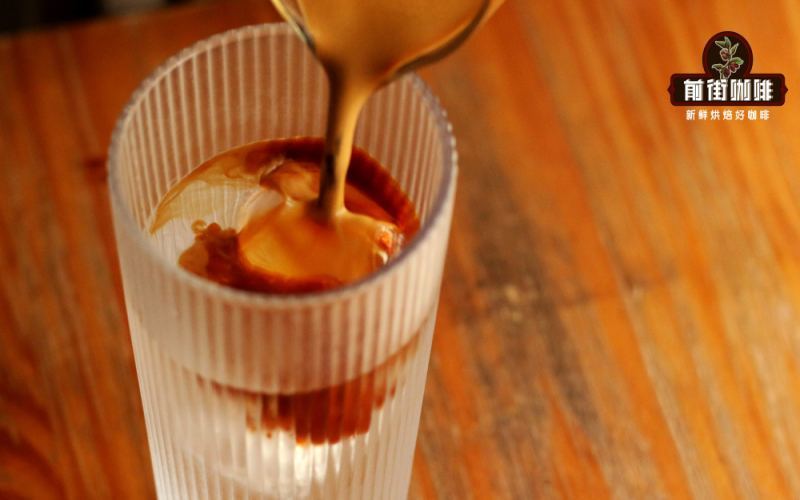
Americano has long been one of the most popular coffee categories, and iced Americano in particular leads by a wide margin in order rates. Why is iced Americano more popular than hot Americano? How does temperature affect our perception of coffee flavor? And if you want to make a delicious iced Americano, how should you choose the coffee beans? This article will break down the appeal of iced Americano from the ground up, and offer specific recommendations tailored to different taste preferences—from single-origin SOE to espresso blends—to help you find the perfect cup for you. [more…]
Why Does Adding Salt Make Coffee Sweeter? Exploring the Flavor Secrets of Salt in Bitter Coffee and Lattes
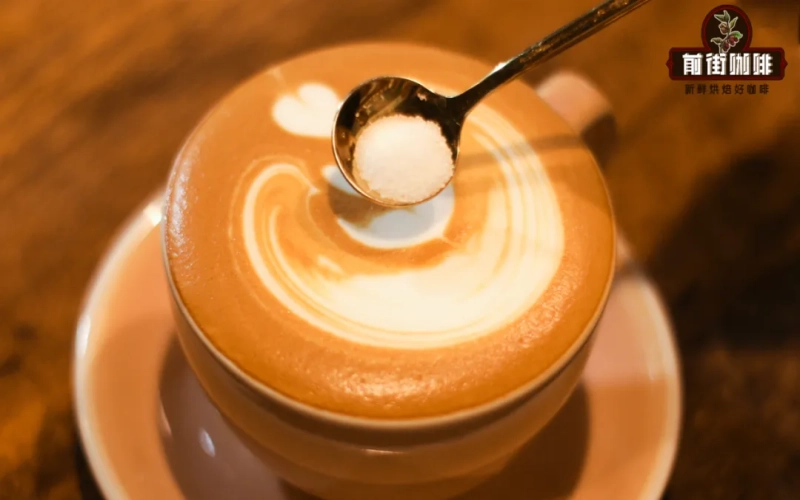
Adding salt to coffee may sound unconventional, but it is a time-honored piece of drinking wisdom. This article will start from the science of taste to explain how salt weakens bitterness and enhances the perception of other flavors by activating taste buds, and review the history of 19th-century Europeans using salt instead of sugar because of the poor quality of coffee. At the same time, we will also explore why adding salt to milk coffee can bring a cheese-like savory and salty layer. Through actual testing, Front Street Coffee found that adding 0.1 grams of salt to a latte and frothing it together with the milk creates a clever balance between sweetness and savory saltiness, adding a completely new experience to coffee. [more…]

How Temperature Affects Pour-Over Coffee Flavor, Optimal Drinking Window, and the Patterns of Taste Change
When tasting pour-over coffee, you often hear the saying "you should drink it from hot to cold." This is not without reason—as the coffee liquid gradually cools, our taste buds' perception of acidity, sweetness, and bitterness quietly changes as well. So how exactly does temperature affect the presentation of flavor? What temperature range is best for drinking? This article starts from the scientific perspective of taste perception, combines Front Street Coffee's brewing and tasting experience, analyzes the flavor change patterns of pour-over coffee at different temperature stages, and offers recommendations on the best drinking temperature and timing to help you more fully capture a cup of coffee's layers and details. [more…]

Common Reasons Why Coffee Flavor Perception Is Blocked: Analyzing Flavor Identification Challenges from Over-Concentration and Taste Mechanisms
Many people encounter a confusion when brewing coffee: they clearly bought beans labeled with rich flavors, yet what they taste is only bitterness or sourness, with no layering at all upon careful sipping. Is this because their palate isn't sensitive enough, or is there a problem in the brewing process? In fact, the presentation of coffee flavors is influenced by many factors, among which excessive strength is one of the most easily overlooked obstacles. When the dissolved substances in the coffee liquid are too dense, the flavor molecules become difficult to distinguish clearly, just like a painting that is too crowded, with all the details blurred together. Front Street Coffee will sort out several common flavor-blocking factors in this article, helping you troubleshoot the pitfalls in your brewing process one by one and providing targeted adjustment directions. Whether you are a beginner pour-over enthusiast or a coffee player with some experience, this content is worth referring to. [more…]
Why is coffee so aromatic yet tastes different when you drink it? An in-depth look at how coffee aroma forms and why perception varies
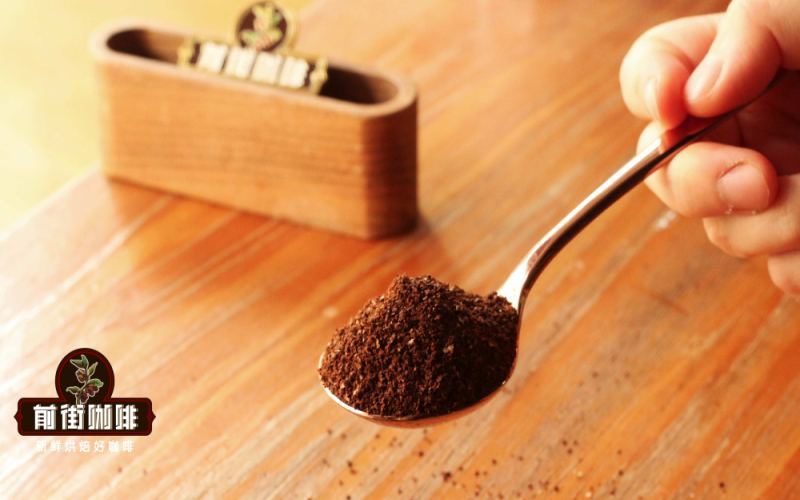
Many people are drawn in by the aroma of coffee, only to be caught off guard by the taste. Why does it smell so enticing, yet often taste sour or bitter when you drink it? Starting from observations at Front Street Coffee shops, this article explores where coffee's dry and wet aromas come from, how dark roasting shaped the public's stereotyped impression of coffee, and the gap between olfactory expectations and actual taste experience. Whether you're new to single-origin coffee or have been drinking it for a while, you'll find something to relate to. [more…]
Examining the Necessity of Warming Coffee Cups: How Temperature Affects Flavor Perception and the Milk Temperature Requirements for Lattes
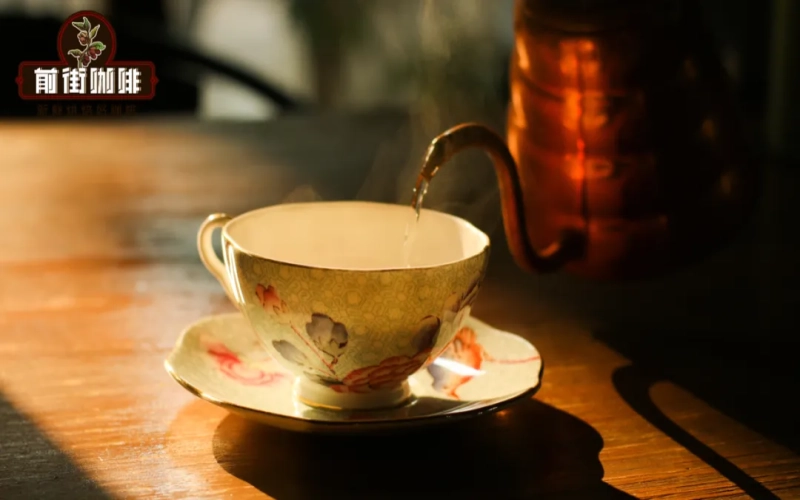
In recent years, there has been ongoing debate about whether the traditional practice of warming coffee cups is practical. Some believe that warming the cup is an unnecessary step, as the taste of coffee will not change due to the cup's temperature; others insist that warming the cup helps retain heat and prevents the coffee from being cooled by absorbing heat from the cup. Front Street Coffee points out that whether to warm the cup depends on the situation. Although the taste of coffee itself does not change with temperature, our ability to perceive flavor does change with temperature. For example, with pour-over coffee, after preheating the container, the extraction temperature is about 70°C, which is too hot to drink and the flavor is not obvious; when the cup is not warmed, it is about 65°C, which is palatable and rich in taste. Although the temperature difference between the two is small, the initial taste experience is completely different. So, is pour-over coffee better without warming the cup? What are the requirements for milk temperature in a latte? This article will provide a detailed analysis for you. [more…]
Why Does Coffee's Flavor Take a Big Hit When It Cools? An Analysis of the Best Drinking Window and the Differences Between Hot and Cold Taste
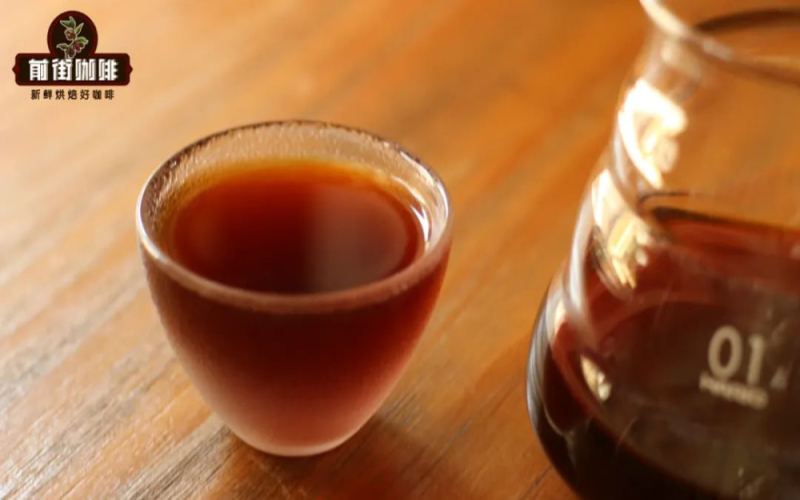
A cup of hot coffee left sitting for a while often turns sour or bitter, no longer as smooth as when it was first brewed. This is partly due to the continued loss of volatile aromatic compounds within the coffee, and partly related to differences in how the human body perceives taste at different temperatures. Sweetness is most prominent near body temperature, while as the temperature drops, the intensity of sourness and bitterness relatively increases. Ice hand-brewed coffee likewise faces the problem of dilution in concentration after the ice melts. So, within how long should coffee really be finished? Can it be reheated to restore its original flavor after cooling? Front Street Coffee has provided answers through experiments, and this article will analyze these phenomena one by one to help you enjoy your coffee at the optimal moment. [more…]
Coffee Flavor Tasting Guide: Perception Techniques from Aroma to Mouthfeel and a Comparison of Hot Brew vs. Ice Brew
Have you ever wondered where the citrus, floral, and other flavors in coffee come from? This article starts with the building blocks of coffee flavor, explaining how variety, origin, processing method, and roast level shape a cup's unique character, and shares tasting tips that even beginners can pick up quickly. We'll also explore how hot brewing and iced brewing affect flavor expression in pour-over coffee, and recommend several classic beans from Front Street Coffee to help you capture coffee's subtle layers more clearly in your everyday brewing. [more…]
Can Cold Pour-Over Coffee Be Reheated? How Different Temperatures Affect Flavor and Practical Tips for Reheating
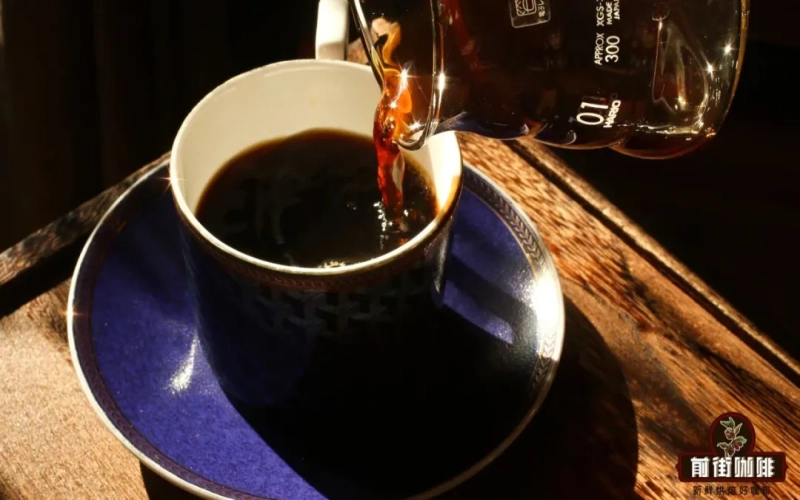
A freshly brewed cup of hot coffee sits and gradually cools, its aroma fading and its taste deteriorating—pouring it out feels wasteful, yet reheating it risks damaging the flavor. What changes does coffee actually undergo from hot to cold? At what temperature is coffee most ideal to drink? And what should you watch out for when reheating it a second time? Starting from Front Street's everyday experience and drawing on how temperature affects taste perception, this article analyzes why coffee's acidity and bitterness intensify and its aroma dissipates after cooling, and offers different rewarming temperature ranges for medium-light and medium-dark roasts, helping you enjoy as smooth a cup as possible without letting anything go to waste. [more…]